
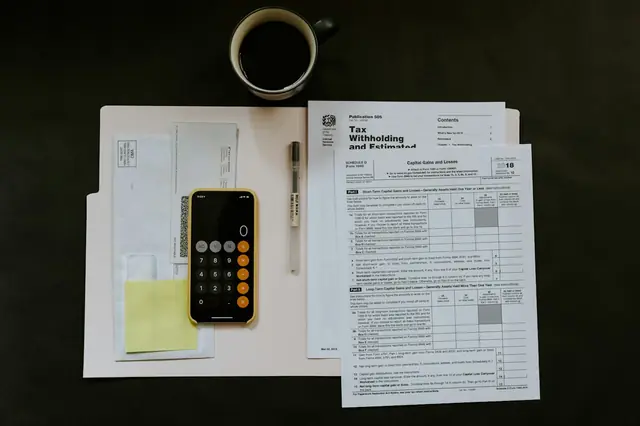
The cost of seeking care in China usually has three parts. Medical charges are collected by the hospital or licensed medical provider. Kangqiao charges relate to record preparation, communication, appointment or case coordination. Flights, accommodation and transport are charged by the actual travel or reception provider. Their contracts and cancellation rules may differ.
When reading a quotation, first identify who is charging and in which currency, then look at the scope. Does a hospital estimate include registration, tests, medicines, consumables, surgery, admission and companion costs? Which stage does coordination cover? Does accommodation include tax or breakfast? Is transport charged per trip, hour or route?
Medical costs may change after examination, new tests, a change in condition or actual use of medicines and materials. At pre-assessment, only a range or known items may be available. Separate confirmed amounts, estimated ranges and items decided after arrival, and ask how you will be informed before a material increase.
Confirm payment milestones, account name, methods, invoices or receipts, exchange rates and bank fees. Do not pay an unconfirmed personal account or rely on a chat screenshot to identify the recipient. International transfers can take time and may have limits, so speak to your bank before a deadline.
For cancellation, review every part separately: hospital booking, work already completed by Kangqiao, hotel, vehicle and flight. Ask who starts each refund and how long it may take. Separating the costs is not paperwork for its own sake; it shows what each payment covers and which provider is responsible if plans change.
This general information does not constitute diagnosis or treatment advice.