
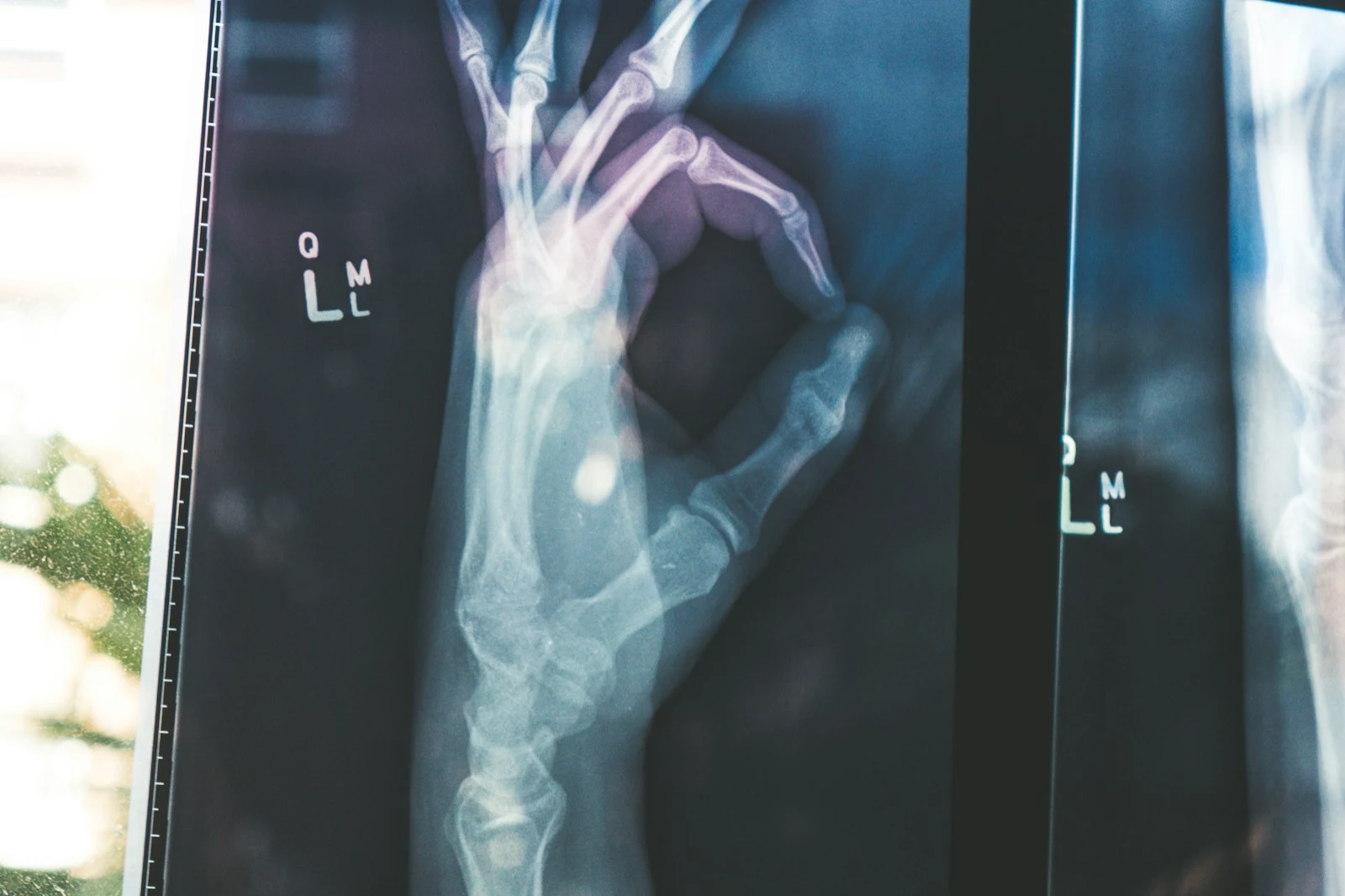
Imaging and pathology are often where an international review gets held up. A written summary helps the hospital begin, but it may still need the original images, pathology slides or fuller test information before deciding whether the records are sufficient. Compressed screenshots from a chat should never be the only copy.
For CT, MRI, PET or ultrasound, preserve the original hospital export. Copy the complete disc into a separate folder instead of selecting a few images. If a DICOM viewing link is used, test it on another device and record the password, expiry date and examination date so the reviewer can identify it.
For pathology, distinguish the pathology report, immunohistochemistry or molecular results, and whether glass slides or paraffin blocks can be borrowed. Do not ship physical material without instructions. Wait for the receiving hospital to confirm what is needed, the address, packaging, customs and return arrangements, and keep a handover record.
When laboratory tests have been repeated, a dated trend table may be useful, but attach the source reports and reference ranges. Units and normal ranges differ between institutions, so numbers should not simply be combined. Whether records in another language need translation depends on the target department's current requirements.
Before transfer, check the patient, date, body area and left or right side. Remove duplicates without editing source content. Kangqiao can help build an index and confirm that files open, but clinical interpretation of imaging or pathology remains the responsibility of hospitals and clinicians. Complete files still do not guarantee acceptance.
This general information does not constitute diagnosis or treatment advice.